
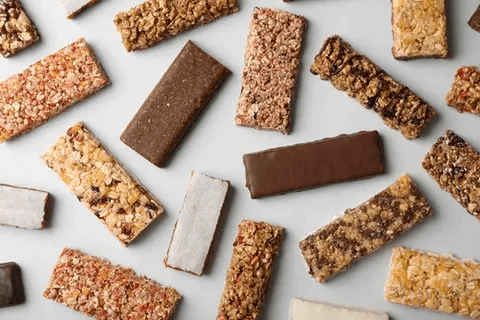
The protein bars market has come a long way from being a niche snack for bodybuilders to becoming a mainstream grab-and-go option for health-conscious consumers, busy professionals, and even kids. Once associated primarily with gyms and athletic routines, protein bars are now seen in office drawers, travel bags, and school lunches – signaling a major shift in how consumers perceive convenience and nutrition.
A Market on the Rise
According to Persistence Market Research, the Global Protein Bar Market is projected to be worth US$ 8,289.8 million by 2032, growing from US$ 5,453.8 million in 2025. This represents a CAGR of 6.2% during the forecast period (2025–2032). The steady rise reflects evolving lifestyles and a more holistic approach to health, where taste and nutrition are no longer mutually exclusive.
From Function to Flavor: The New Era of Protein Bars
Not long ago, protein bars were often criticized for their chalky textures and artificial aftertastes. But times have changed. Innovation in formulation and flavor profiles has turned these functional snacks into indulgent treats – without compromising on health benefits.
Today’s protein bars come in a variety of flavors like cookie dough, birthday cake, mocha brownie, and even savory options. Meanwhile, brands are increasingly using natural sweeteners, whole food ingredients, and organic or plant-based proteins to cater to a wide audience with diverse preferences.
Driving Forces Behind the Boom
The market’s evolution is closely tied to modern lifestyle needs and global wellness trends. Here’s what’s fueling the momentum:
- Snacking as a Lifestyle: Snacking has become a cultural norm, replacing traditional meals in many households. Protein bars offer a nutrient-dense solution without the prep time.
- Tailored Nutrition: Consumers are increasingly seeking products that align with personal health goals – be it muscle gain, weight management, or clean eating. Protein bars are being customized with specific macros, vitamins, and functional ingredients.
- Sustainability Matters: With rising eco-consciousness, brands are incorporating sustainable packaging and ethically sourced ingredients – a move that resonates well with Millennials and Gen Z buyers.
- Digital Convenience: The rise of e-commerce and direct-to-consumer models has made protein bars more accessible than ever. Subscription boxes, online discounts, and quick delivery options are attracting a new generation of snackers.
A Look Ahead: What’s Next?
The next phase of growth in the protein bars market will likely focus on hybrid products – think protein bars with adaptogens, probiotics, or superfoods. The goal? Elevating health benefits while maintaining flavor appeal.
Also, expect to see a continued push for clean-label transparency, with more brands highlighting their ingredients’ origin and nutritional integrity. Regional flavors and hyper-personalized bars based on dietary DNA or fitness tracking data could soon make waves too.
Final Thoughts
The protein bars market is no longer just about packing in protein – it’s about creating a delicious, nutritious experience that fits into everyday life. As this market continues to evolve, the blending of taste, health, sustainability, and convenience is reshaping how we snack – and what we expect from our food.
With strong growth projections and shifting consumer values, one thing is clear: protein bars are here to stay – and they taste better than ever.
For more insights and in-depth analysis : click here to access the full Protein Bars Market Report .
 Insight Spheres